
Introduction
Whilst not mandatory in primary schools, introducing primary school children to the world of work can help to bring learning alive by sparking their curiosity and creating those lightbulb moments!
Embedding careers information into the curriculum and giving pupils the chance to learn about different jobs and employability skills will help them to better understand the world of work, what they are interested in and what skills they have, whilst broadening their horizons and challenging stereotypes.
Research shows that as children grow up, their focus and aspirations can narrow. A DfE-funded pilot run by the Careers and Enterprise Company – Start Small, Dream Big – found that from the age of 4, children start to make limiting decisions about who they can be when they grow up. By age 5 and 6, children are beginning to narrow their choices based on their gender, and by age 10 many young people have already made career-limiting decisions, which are fixed by the time they are 14.
Their thoughts on the jobs they might do are influenced by the jobs their family members do, jobs they see on TV, local businesses or societal expectations and stereotypes. By embedding information on what it means to have a job and earn money, you are helping to show children the bigger picture in terms of the world of work, you are not asking them to choose their future career right now. It is about opening up the wide range of possibilities in front of them and positively challenging things like who can and can't do a certain job and which job is better than another.
Career-related learning can help to join up what they are learning in school to how this relates to life and work. This might be learning skills such as teamwork and communication or developing a better understanding of money, maybe linked to wages and household bills.
There is already a wealth of good practice taking place in schools across the county. It may be that your school hasn't thought about these activities in terms of pulling them together as part of a careers programme. There is no requirement for primary school to have a careers lead or a careers programme but it might be beneficial to have a more planned approach to career-related learning across the school.
This page is intended to bring together a range of resources in one place which you can utilise as and when required. We hope to keep this page up to date with case studies of good practice taking place in Lancashire so schools can share what they do and learn from each other. If your school has any examples they want to share – maybe you have held an enterprise week or visited a business in your local area, let us know, we'd love to include the great work you are doing!
Resource directory
There are limitless resources available for primary schools to access on career-related learning and you will probably be aware of some of these already. We're hoping that by having these in one place, you will be able to easily access these as and when you need to.
This website includes testimonials from three Lancashire primary schools
The Careers and Enterprise Company - Primary School resources
Barclays Life Skills - Primary school careers lesson plan and worksheet
Bank of England Education Resources
Developed in collaboration with Tes and The Beano, a 12-lesson programme that introduces young people to the way money works and is linked to the numeracy curriculum
Career Development Institute - Career Development Framework: Handbook for Primary Schools
Evidence Base - Lancashire Skills and Employment Hub
This resource includes animated presentations and YouTube clips about local labour market information
Examples of good practice
A national example of good practice can be seen at Welton Primary School in Somerset - Welton Primary School. The school embraces a range of career-related activities such as:
Children drawing their future
Embedding careers into day to day teaching and learning
Having visitors in school including employers, parents and members of the local community
Delivering economic education including discussing salaries and why people work
Research
A lot of research has been done on career-related learning in primary school. If you wanted to find out more about this, some research and project examples are set out below.
Northumbria University research
The research from Northumbria University shows that children's aspirations narrow as they get older. They absorb information about jobs and careers from lots of sources and from as young as five, children have ingrained stereotypical views of the jobs people can do, based on their gender, ethnicity and social background. These views can limit their aspirations.
Research shows that high quality career-related learning can enhance children's confidence, foster a positive attitude towards work and improve attainment. Lots of career-related activities already take place – trips to employers, challenging stereotypes, having parents in to talk about their jobs, linking careers into lessons and holding a careers week – but some schools don't do any career-related leaning.
The research shows the benefits of developing career-related learning in your school.
North East Ambition Career Benchmarks: Primary Pilot
This pilot - Career Benchmarks: Primary Pilot - North East Ambition – looks at how the Gatsby Benchmarks, which are used to support the development and implementation of high quality careers programmes in secondary schools and colleges, can be adapted for use in primary schools.
CDI Career Development Framework – handbook for primary schools
This Framework Handbook clarifies the skills, knowledge and attitudes individuals need to have a positive career. The framework sets out six key areas of learning, including exploring possibilities, creating opportunities and seeing the big picture.
International Men's Day Event
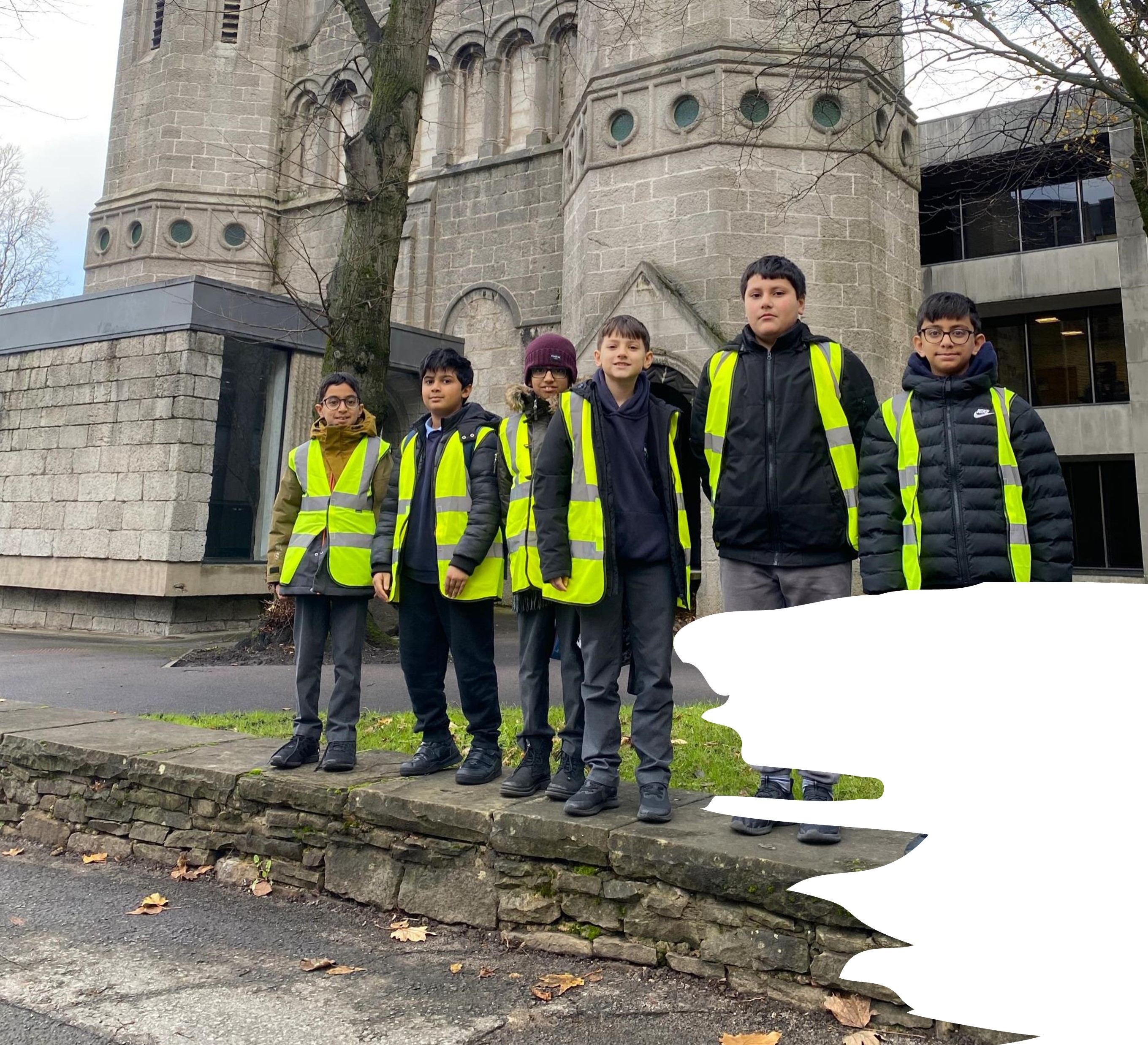
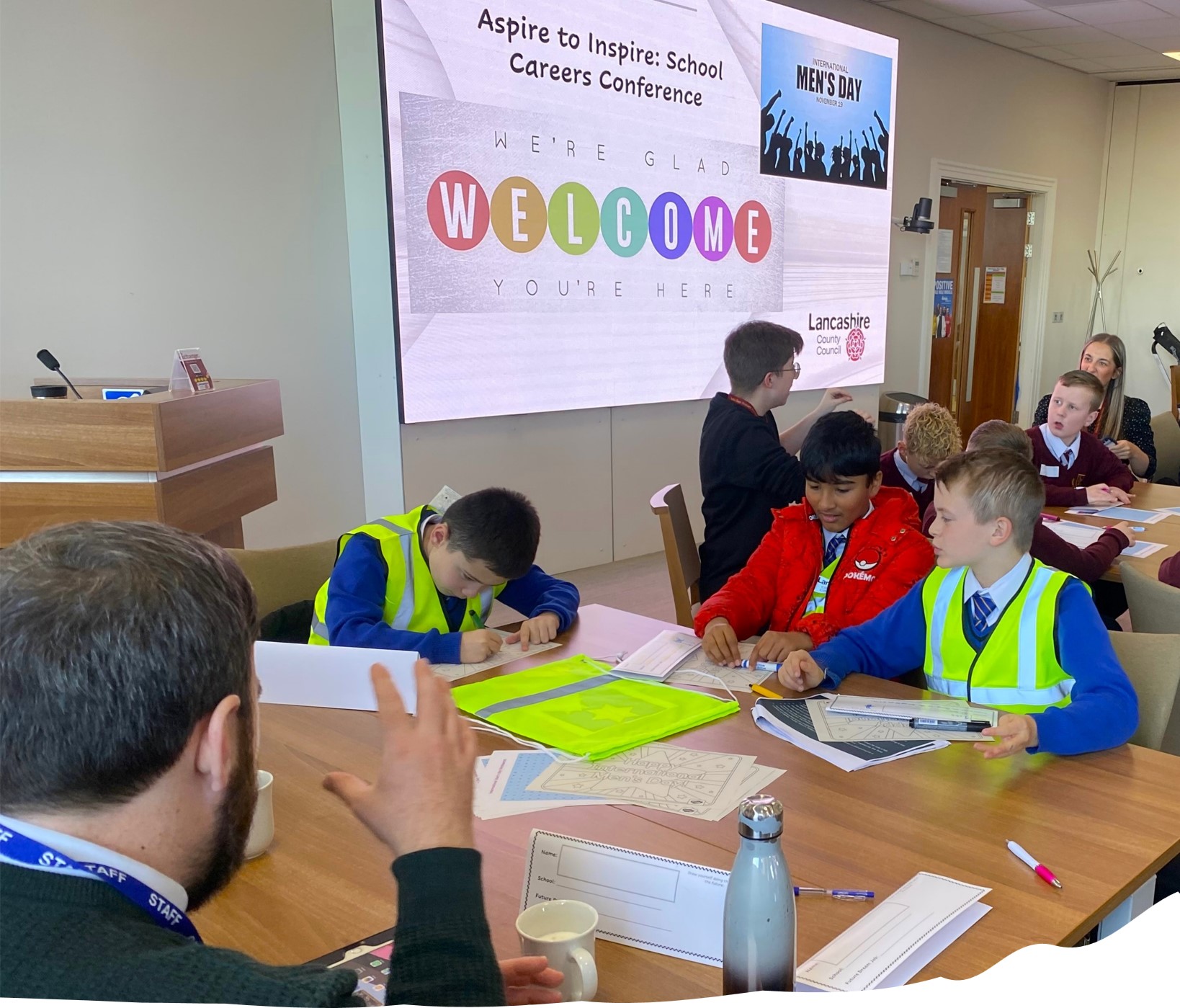
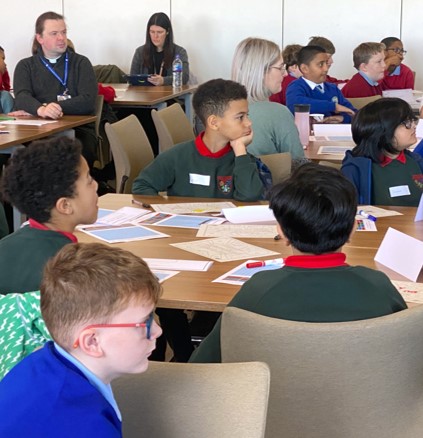
On 19th November, The Exchange at Lancashire County Council hosted an International Men's Day event organised by Education Improvement, with over 80 Yr 6 boys joining us from a number of primary schools across the wider Preston area. We also held an event at the Life Church in Burnley in March for International Women's Day. The aim of the event was to raise the aspirations of our primary school pupils, showing them that they can dream big and if they work hard, they can achieve some fabulous and varied careers. We had some fabulous role models across a range of careers and sectors who engaged with the pupils to show them what is possible. Role models included a College Principal, a TV director, an author, a university lecturer and a sports commentator!
The pupils researched things like salaries, key skills needed to do the job, qualifications needed to progress into that area and other roles/careers in the same discipline which they haven't considered before. Each school created a display about their role model and they shared this with the other schools on the day – one school even brought their display to County Hall on the bus! The effort and creativity shown by the pupils was clear to see as there were some amazing displays around the room.
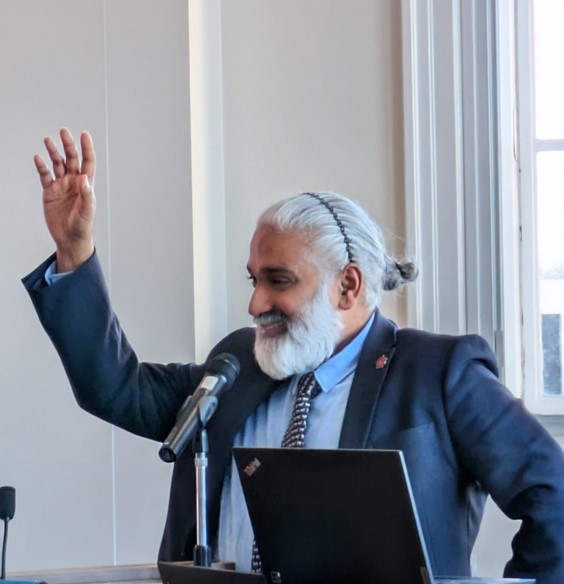
The keynote speakers from Lancashire County Council were Councillor Salter, Paul Turner and Dr Sakthi Karunanithi. They spoke to the boys about key messages such as being kind, striving for success, the importance of education and being aspirational for their futures. There was a workshop on employability skills as well as one with a magician and one with a children's author – the children engaged brilliantly with these sessions!
Planning has already started for the International Women's Day in March 2026!
<